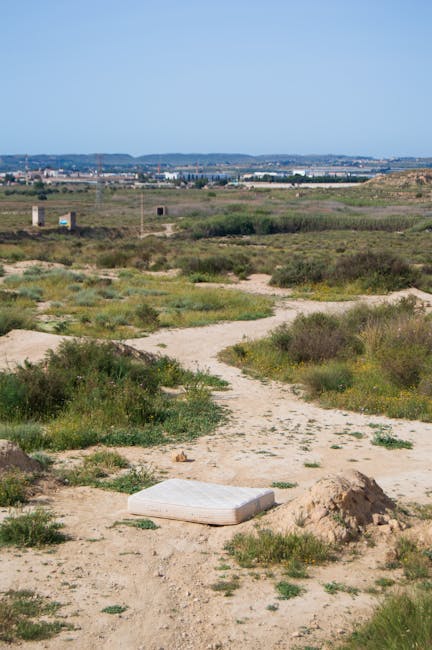
Blythe Hill Fields garden waste and local rubbish tips: a practical local guide
If you are clearing a garden near Blythe Hill Fields, the rubbish pile can build up fast. Cut branches, hedge trimmings, soil, broken pots, old fencing, bags of leaves, and that random heap from the shed all seem harmless on their own. Put them together and suddenly you are dealing with bulky waste, awkward trips, and a choice between local rubbish tips, skip hire, or a collection service. This guide on Blythe Hill Fields garden waste and local rubbish tips brings the options into one place, so you can decide what makes sense without wasting a Saturday.
Whether you are doing a one-off tidy-up, a full garden makeover, or simply want to avoid overfilling the boot of your car with damp clippings, the right disposal method saves time, keeps things safer, and helps you stay on the right side of local waste rules. Let's be honest: nobody enjoys loading a car twice because the first trip was a bit optimistic.
Why Blythe Hill Fields garden waste and local rubbish tips matters
Garden waste looks simple until you start separating it properly. Green waste is usually light but bulky. Soil is heavy. Timber can be awkward. Mixed rubbish from a tidy-up often includes a bit of everything, and that is where confusion starts. If you are near Blythe Hill Fields, where many homes have compact gardens, rear access can be tight and parking can be less than generous, disposal method matters even more.
The goal is not just to "get rid of stuff". It is to do it in a way that is legal, efficient, and not wildly inconvenient. A sensible plan can also lower the amount of waste sent to landfill, especially if you separate recyclable green material from mixed rubbish. For many households, that is the difference between a messy weekend and a clean finish with far less stress.
Practical takeaway: if most of your load is grass cuttings, leaves, hedge trimmings, and small prunings, treat it differently from soil, rubble, treated timber, or general household rubbish. Mixing everything together is usually what makes disposal slower and costlier.
There is also a safety angle. A bag of wet hedge trimmings can be deceptively heavy. Broken paving, rusty nails, and leftover fence panels can cause injuries if they are stacked carelessly. A clean-out done properly saves a lot of backache later. Truth be told, a little sorting at the start is far easier than sorting an overloaded pile at the end.
How Blythe Hill Fields garden waste and local rubbish tips works
In practical terms, you have four common routes: a local household waste and recycling facility, a skip, a waste collection service, or a grab-style collection for larger or heavier waste. The best choice depends on volume, access, the type of waste, and how much effort you want to put in yourself.
Local rubbish tips are usually best for smaller DIY loads if you have suitable transport and the time to travel. They work well when waste is already sorted and you know what you are carrying. But many people underestimate the time involved. A queue, loading and unloading, and the return trip can turn a quick job into half a day. Not ideal when the weather flips from sunny to drizzly, which it often does just when you have started.
For larger clearances, a garden waste removal service can take the pressure off. If you want one load collected without having to drive it anywhere, that is often the cleanest answer. If the waste is mixed and bulky, rubbish removal or domestic skip hire may be more practical.
There is also a useful middle ground: if the waste is ready to go but access is awkward, wait and load skip hire can work well because the skip is loaded while you stay on site. That can be especially handy on a street where parking is tight and you do not want a skip sitting out for days.
Key benefits and practical advantages
Good waste planning is not glamorous, but it does pay off in a few very real ways.
- Less effort: you avoid multiple car journeys with awkward bags, branches, and muddy bins.
- Cleaner results: a properly cleared garden looks finished, not half-done.
- Safer handling: heavy bags, sharp offcuts, and broken materials are dealt with sensibly.
- Better sorting: green waste can often be kept separate from mixed rubbish for easier recycling.
- More space: small outdoor areas around Blythe Hill Fields can feel transformed once clutter goes.
- Less disruption: the right method reduces noise, trips, and messy loading at the kerb.
There is also a psychological benefit, which sounds soft but is very real. Once the waste is gone, the rest of the garden project suddenly feels manageable. That half-finished feeling disappears. You can see the shape of the space again.
For homeowners deciding between skip hire and collection, the difference often comes down to convenience and time. A service such as skip hire is useful when you are doing a longer project and expect waste to build up over several days. If you only have one heap to clear, a direct collection may be easier.
Who this is for and when it makes sense
This topic is relevant to quite a wide mix of people, not just keen gardeners. In practice, it tends to matter most for:
- homeowners clearing a back garden after hedge cutting or pruning
- landlords refreshing a small outdoor space between tenancies
- tenants with permission to clear an overgrown yard before moving out
- people replacing fence panels, sleepers, or edging
- DIYers removing soil, turf, old paving, or broken pots
- busy households that need waste collected quickly and neatly
It makes sense to think beyond the obvious. A "garden clearance" is often not just green waste. There can be a mixed load of soil, old plant tubs, compost bags, broken outdoor furniture, and a few mystery items from the shed. That is where the right disposal route really matters.
If you are also clearing an outbuilding, you might need something broader than garden waste removal. Services such as garage and loft clearance or site clearance can be better for bigger mixed jobs. A lot of people only realise this halfway through loading, which is usually a slightly annoying moment.
Step-by-step guidance
Here is a straightforward way to deal with Blythe Hill Fields garden waste and local rubbish tips without overcomplicating it.
- Walk the space first. Look at what you actually have, not what you hope you have. Green clippings, branches, soil, rubble, timber, and general rubbish should be separated where possible.
- Sort waste into clear groups. Keep clean green waste apart from mixed waste. Separate any items that may need specialist handling, such as fridges, paint, chemicals, or electricals.
- Estimate the volume. A few bags may fit in a car. Several cubic yards usually will not. If you are unsure, visualise how many wheelbarrow loads you have rather than guessing by eye.
- Check access and parking. Narrow streets, limited driveways, and busy evenings can make collections or skip placement trickier than expected.
- Choose the disposal route. Small sorted loads may suit a local tip. Larger or mixed loads often suit skip hire or collection. For awkward access, grab hire services may be worth considering.
- Load sensibly. Put heavy items low down. Keep sharp or wet waste secure. Do not let branches poke out where they can snag or fall.
- Book ahead if needed. If you need a skip, a collection, or a permit-related arrangement, do not leave it to the last minute.
- Finish with a sweep-through. Once the waste is gone, check for nails, glass, screws, and bits of wire that have rolled under planters or decking.
If your project is time-sensitive, same-day help may be the most practical choice. A same-day skip hire option can be handy when a job expands faster than expected. It happens. One minute you are trimming a hedge; the next you are staring at three bags of roots and a pile of old timber.
Expert tips for better results
Small decisions make a big difference with garden waste. A few practical habits save money and hassle.
Keep green waste clean
Soil, stones, and mixed rubbish can reduce how efficiently green waste is handled. If you can shake loose soil from roots or turf before loading, do it. A little extra effort now often means better recycling later.
Break bulky items down
Fence panels, trellis, and rotten timber take up more space than people expect. If it is safe to do so, cut larger pieces into manageable lengths before disposal. You do not need to make it perfect. Just practical.
Think about moisture
Wet grass clippings and rain-soaked hedge trimmings weigh a lot. A bag that felt fine in the morning can feel like a small car by late afternoon. Keep this in mind if you are loading by hand.
Match the method to the access
If parking is awkward or the waste is heavy, methods like man and van or grab lorry hire can save a lot of carrying. For some homes, that is the difference between "I'll do it myself" and "thank goodness that is over".
Check what can and cannot go together
It is tempting to put everything in one pile. Humans love that shortcut. But waste streams are not all the same. Mixed waste can be handled differently from clean green waste, and specialist items need their own route. If you are unsure, review what can go in a skip before you start loading.
Common mistakes to avoid
People usually do not get waste disposal wrong because they are careless. They get it wrong because they are trying to save time. Fair enough. Still, a few common mistakes cause avoidable problems.
- Mixing green waste with everything else: this often makes the load harder to recycle and less efficient to handle.
- Underestimating heavy waste: soil, turf, and bricks are far heavier than they look.
- Ignoring access restrictions: a narrow road or no-driveway setup can affect skip placement or collection timing.
- Leaving specialist items in the pile: items like fridges or chemical containers should not be bundled in with garden waste.
- Waiting until the last minute: by Friday afternoon, availability can be tighter, and that is when people start getting grumpy.
- Choosing the wrong bin size or service: if the waste is too bulky for a small option, you may end up paying twice.
One mistake worth calling out: assuming local tip rules are identical for every item. They are not. Even where the same broad categories apply, the way waste is sorted and accepted can vary. When in doubt, check before loading the car.
Tools, resources and recommendations
You do not need specialist equipment to clear a modest garden, but a few basics make life easier.
- Heavy-duty sacks: better for leaves, hedge trimmings, and lighter mixed waste.
- Wheelbarrow or garden trolley: useful when the back gate is a long way from the front.
- Gloves and sturdy footwear: not glamorous, but very sensible.
- Tarpaulin or groundsheet: helps keep piles contained and easier to lift.
- Shears, loppers, or a pruning saw: useful for reducing bulk before disposal.
- Separate tubs or bags: handy for screws, broken fittings, and small hard items.
If you want a broader disposal service rather than a single garden-only uplift, rubbish removal and skip sizes and prices are useful pages to review before booking. They help you think through cost, capacity, and what fits your job best.
For customers who care about end destinations as much as removal, recycling and sustainability is a sensible topic to consider. In real life, most people want the waste dealt with properly and with as little environmental waste as possible. Quite right too.
Law, compliance, standards, or best practice
Without turning this into a legal lecture, there are a few sensible best-practice points to keep in mind in the UK. Waste should only be passed to a legitimate carrier or taken to a facility that is authorised to accept it. For householders, that usually means using council facilities, a licensed collection service, or another properly operated waste route.
Do not assume every item can go together. Garden waste, mixed household rubbish, timber, soil, rubble, appliances, and potentially hazardous items may follow different handling rules. A careful approach protects you from fines, service delays, and the more annoying outcome: having to unload everything again because one item was not accepted.
It is also good practice to check local access rules before booking a skip or arranging a collection. If you are placing a skip on a public road, a permit may be required. For many people, skip hire permits and skip permits are worth understanding before the job starts, not after the lorry has arrived.
On the operator side, businesses should work with proper insurance, health and safety processes, and clear terms. That is why pages such as insurance and safety, health and safety policy, and terms and conditions matter. They help set expectations and reduce surprises. Always a good thing.
Options, methods, or comparison table
Here is a simple comparison to help you decide which disposal route fits your garden clearance.
| Option | Best for | Advantages | Things to watch |
|---|---|---|---|
| Local rubbish tip | Small, sorted loads | Good for DIY visits; flexible if you can transport it yourself | Time, queues, vehicle load limits, and unloading by hand |
| Garden waste removal | Green waste and mixed garden cuttings | Convenient, quick, no driving required | May not suit very heavy or highly mixed loads |
| Skip hire | Medium to larger projects | Handy if waste builds over several days | Space, permits, and choosing the right size |
| Wait and load | Awkward access or short jobs | No long roadside storage, useful where parking is limited | You need the waste ready when the vehicle arrives |
| Grab hire / grab lorry | Bulkier or heavier loads | Efficient for soil, mixed rubble, and large clearances | Access and loading position still need some planning |
If you are between two options, think about time and access first. Most people focus on price, which is understandable, but the cheapest route is not always the easiest. And sometimes the easiest route is the one that saves you all the hidden hassle.
Case study or real-world example
Here is a realistic example. A homeowner near Blythe Hill Fields decides to clear an overgrown rear garden after months of letting the hedge run wild. There is a pile of branches, several sacks of leaves, an old timber planter, some broken edging, and a bit of soil from reshaping a border. Nothing dramatic, just a proper weekend job.
At first, they plan to use the car and take everything to a local tip in a couple of trips. Once they start sorting the waste, it becomes obvious the job is heavier and bulkier than expected. The branches are awkward, the soil is damp, and the planter has a few rusty fixings still attached. So they switch approach and book a collection instead, while keeping the green waste separate from the mixed rubbish.
The result is calmer, quicker, and cleaner. No back-and-forth in traffic. No muddy boot lining. No trying to fit one last sack into a car that is already full. The garden ends the day ready for planting, and the stress level drops to something much more human.
That kind of decision is common. People start with a "we'll just tip it ourselves" plan, then realise the better option is the one that fits the load in front of them, not the load they imagined at breakfast.
Practical checklist
Use this simple checklist before you clear the garden or book a disposal service.
- Separate green waste from mixed rubbish where possible.
- Remove obvious hazardous or specialist items before loading.
- Estimate volume honestly, not optimistically.
- Check whether access, parking, or permits might matter.
- Choose the right route: tip, skip, wait and load, or collection.
- Use gloves, strong sacks, and sturdy footwear.
- Break bulky items down if it is safe to do so.
- Keep soil and rubble apart from light garden waste.
- Confirm whether you need skip hire or a direct removal option.
- Do a final sweep for nails, shards, and small sharp bits.
If you are still unsure, it is usually worth asking for guidance before you start lifting. A quick check can save a lot of second-guessing later on.
Get a free quote today and see how much you can save.
Conclusion
Blythe Hill Fields garden waste and local rubbish tips is really about making a practical choice: do you transport the waste yourself, or let someone handle it for you? The answer depends on volume, access, time, and the type of waste you have. Small, tidy loads may suit a local tip. Larger, heavier, or mixed waste often needs a smarter solution.
The best outcomes usually come from a little sorting, a realistic estimate of the load, and the right service for the job. That is what keeps a garden clearance feeling manageable instead of turning into an all-day slog. And once the mess is gone, you get the part everyone actually wants: the clean space, the fresh air, and the quiet satisfaction of seeing the garden again.
Take your time, choose sensibly, and don't be too hard on yourself if the job grows halfway through. It often does.
Frequently Asked Questions
What counts as garden waste near Blythe Hill Fields?
Typical garden waste includes grass cuttings, hedge trimmings, branches, leaves, weeds, roots, and small amounts of untreated wood from garden projects. Soil, rubble, and mixed household rubbish are usually treated differently, so it helps to separate them early.
Can I take garden waste to a local rubbish tip myself?
Yes, if you have a suitable vehicle and the waste is accepted at the facility. The downside is the time involved, plus loading and unloading by hand. For smaller, well-sorted loads, it can work well enough. For bigger jobs, a collection is often less stressful.
Is it better to hire a skip or use a rubbish removal service?
It depends on how quickly the waste will build up and how much space you have. A skip is useful for ongoing work over several days. Rubbish removal is often better for a one-off clearance where you want everything taken away in one go.
What if my garden waste is mixed with soil and broken paving?
That usually changes the picture quite a bit. Soil and heavy materials are bulkier and heavier than green waste, so they may need a different disposal method. In mixed jobs, options like skip hire or grab hire are often more practical than a standard garden-only collection.
Do I need a permit for a skip near my home?
If the skip is placed on public land or the road, a permit may be needed. If it stays fully on private property, it is often a different story. The details matter, so it is wise to check early rather than assume everything is fine.
What should I not put in with garden waste?
Do not mix in items that need special handling, such as fridges, electrical appliances, chemicals, paint, or anything you would class as hazardous. Even if they are only small items, they can affect how the whole load is handled.
How can I reduce the cost of garden waste disposal?
Separate green waste from mixed rubbish, break bulky items down, and avoid paying for more capacity than you need. Choosing the right method matters too. A well-planned load is usually cheaper than a messy one, because messy loads are harder to handle.
Is wait and load useful for a garden clearance?
Very much so, especially where parking is tight or you do not want a skip sitting outside for days. You load the waste while the vehicle waits, which can be a neat solution for a fast clearance. It is particularly handy for short, focused jobs.
What size skip do I need for garden waste?
That depends on the volume and weight of the waste. A small tidy-up may only need a modest size, while a full overhaul with branches, soil, and old timber could need something larger. Checking skip sizes and prices is a useful starting point.
Can I get same-day help if the waste is already piling up?
Sometimes, yes. If availability allows, same-day skip hire can be a helpful option when a project has grown faster than expected. It is best to act early in the day if possible, because timings can get tight.
What is the easiest option for a narrow street or tricky access?
For awkward access, a collection-style solution, wait and load skip hire, or grab hire services may be more practical than leaving a skip in place. The right choice usually comes down to how much space you actually have.
How do I know if my load needs specialist handling?
If it includes items like appliances, chemicals, or anything potentially hazardous, treat it carefully and do not guess. A proper waste provider should be able to explain what goes where. When in doubt, ask before loading. That simple habit saves a surprising amount of trouble.